COST Action CA24132 Mic2Food International Training School – science, teamwork and new chances
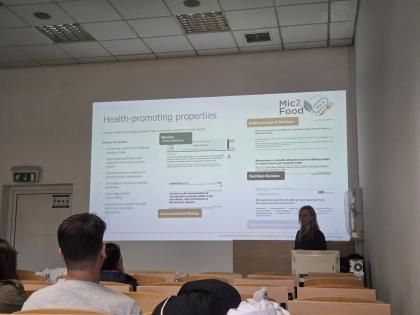
In September 2026, from the 22nd to the 25th, the Poznań University of Life Sciences (PULS) hosted an international training school organised by COST Action CA24132 Mic2Food, entitled ‘Mycoprotein production: from upstream processing to downstream processing, product formulation and techno-economic simulation’.
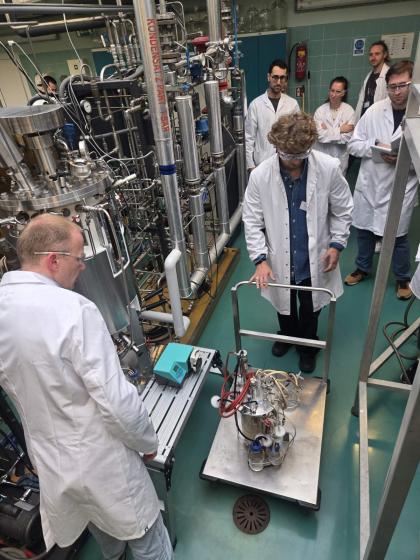
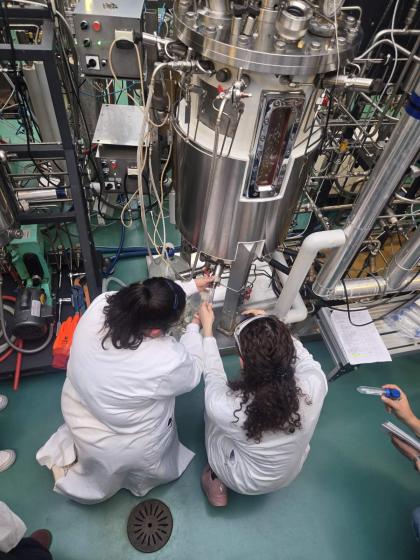
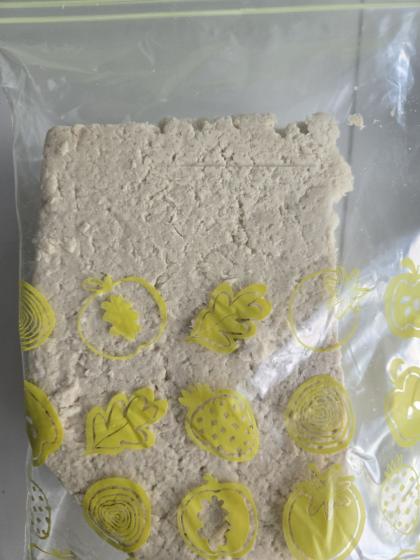
The four-day training course covered the entire mycoprotein production process – ranging from the preparation and the cultivation of the culture in bioreactors, through the harvest of the biomass and its further processing, to the formulation of food products, analytical methods and the technical and economic evaluation of the entire project.
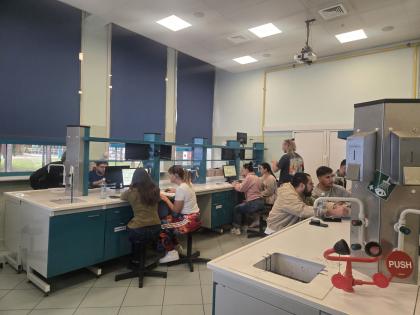
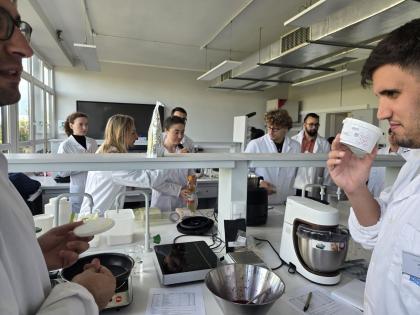
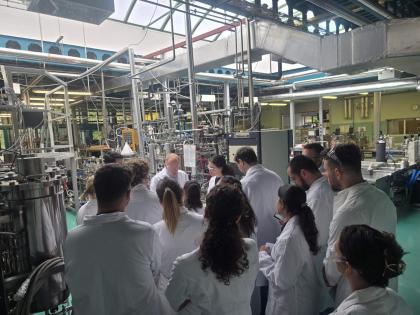
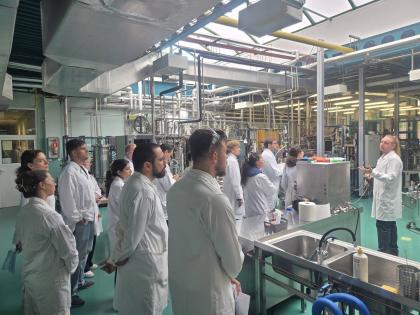
Great importance was focused on the practical nature of the course. Participants not only attended lectures and took part in discussions, but, above all, carried out practical work in laboratories, learning about the successive stages of the production and processing of fungal biomass. This approach made it possible to present the entire process in an integrated manner – from biotechnology and fermentation right through to the final food product.
The main coordinator and organiser of the school was Dr. Katarzyna Polanowska, Eng., from the Faculty of Food Science and Nutrition at the Poznań University of Life Sciences, Vice-Leader of Working Group WG3 – Downstream Processing & Formulation Development – within COST Action Mic2Food. The implementation of the scientific programme and practical sessions also was supported by Prof. Wojciech Białas, Dr. Piotr Kubiak and Dr. Agnieszka Drożdżyńska from the Poznań University of Life Sciences.
A key element of the programme was the participation of international experts sharing their complementary scientific, technological and business expertise. Dr. Myrsini Sakarika from the Centre for Microbial Ecology and Technology (CMET), Ghent University in Belgium, shared her expertise in the field of biotechnology and microbiological processes, whilst Craig Johnston, an entrepreneur active in the sector of new technologies and alternative protein sources, presented the business perspective and issues relating to technology development, process scaling and their technical and economic evaluation. Combining these areas of expertise with the experience of the PULS team enabled participants to explore the development of mycoprotein technologies from various, mutually complementary perspectives.
The school attracted a tremendous amount of interest – the organisers received over 200 applications from many countries, whilst COST funding was available for just 14 participants. The selection process was therefore highly competitive, and young researchers representing various countries, research institutions and fields of specialisation were selected to take part.
The event was also an opportunity to showcase the PULS expertise and infrastructure in the fields of food biotechnology, fermentation processes, biomass processing and the design of new food products, and to forge new academic links and develop international cooperation.
The course was organised as part of COST Action CA24132 Mic2Food, which aims to develop scientific and technological cooperation in the field of microbes-based food production, connecting the expertise of researchers, technologists and industry representatives from various European countries.
Faculty of Food Science and Nutrition