“Quality in practice – science that changes daily life” -29th Poznań Festival of Science and Art at PULS
From 20 to 24 April 2026, Poznań became a true hub of science, art and inspiring encounters as part of the Poznań Festival of Science and Art. All events were held in various venues across the city — universities, cultural institutions and public spaces — offering hundreds of lectures, workshops, demonstrations and debates.
The official opening ceremony of the Festival took place in the unique interior of the Działyński Palace, thus lending the event a solemn and prestigious atmosphere. Representatives of the scientific community and invited guests gathered in the historic surroundings to jointly launch the latest edition of the festival. The Poznań University of Life Sciences (PULS) was represented by Prof. Krzysztof Adamowicz, Vice-Rector for Staff and University Development, along with university coordinators involved in the event. A highly interesting lecture entitled ‘Why are houses built from wood? On the quality of natural materials’ was delivered by Prof. Edward Roszyk from the Faculty of Forestry and Wood Technology.
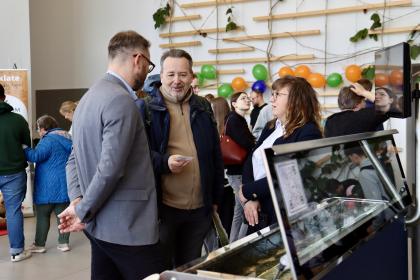
On 21 April 2026, the PULS campus became a place where the concept of ‘quality’ ceased to be an empty abstraction and began to represent concrete experiences, decisions and discoveries. The official opening was performed by Prof. Piotr Goliński, Vice-Rector for Science, who welcomed the students gathered in the Biocentrum auditorium and wished them inspiring moments and curiosity in exploring the world. The Festival of Science and Art proved that quality is not merely an end result, but an ongoing process inherent in our thinking, research and daily activities.
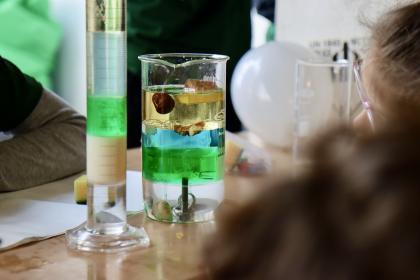
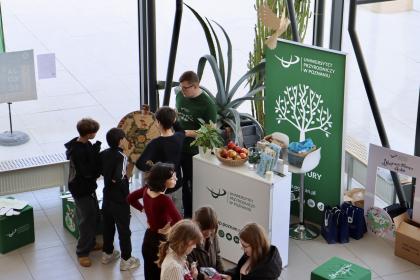
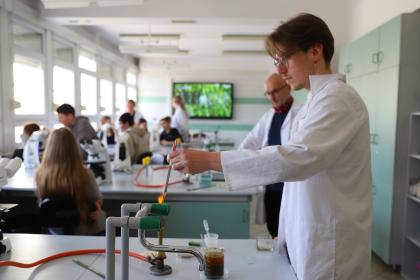
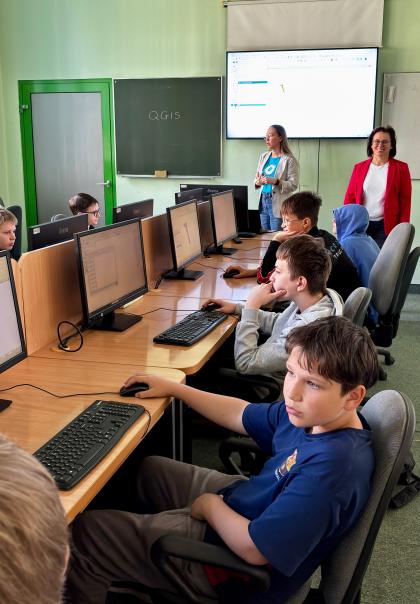
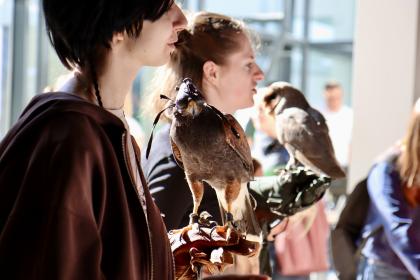
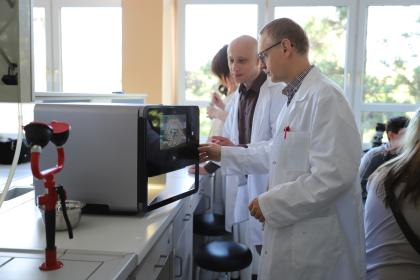
The festival was designed to promote science through practical activities. Rather than simply listening passively, participants were able to experiment, test and ask, leading to a better understanding of the world. The scale of the event was impressive — over 40 lectures with exhibitions, 41 workshops and laboratories, and an open space with 22 interactive stations offering numerous displays, simulations, games and experiments.
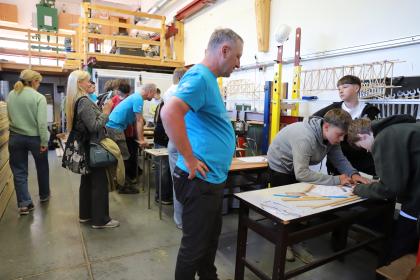
The heart of the event was the Biocentre, where cutting-edge technology met practical application. Controlling an educational robot or testing materials in 3D printing helped visitors understand just how crucial precision is in engineering. The biomonitoring demonstrations made an equally strong impression — organisms such as mussels (Unio tumidus) proved that nature can be an extremely effective ally in caring for the environment.
Participants stepped into the shoes of researchers — analysing DNA, experimenting with dry ice or creating their own cosmetics, discovering the practical side of science. At the same time, the festival turned the spotlight on the future: alternative food sources and the growing role of artificial intelligence in science were discussed. The event was openly accessible and intergenerational — from the youngest explorers to adults developing new skills. International panels and a diverse range of topics highlighted its interdisciplinary nature.
The festival made it clear that a university is not just a place for acquiring knowledge, but a space where a conscious approach to the world is fostered — and that quality of life begins with quality of thinking capacity.
PHOTOS
PULS Marketing and Communications Department