Welcome and Integration Meeting – a focus on PULS international community
Welcome meeting, city walk, and sporty vibes—that is what the integration events organized on October 24–25 by the PULS-ISA International Students Association and the International Relations Office looked like. This initiative was a great example of international integration at the Poznań University of Life Sciences. Welcome and Integration event brought together a bunch of active international students, making it a great chance to meet up, mingle, and kick off the semester jointly in a multinational spirit.
Welcome and Integration Meeting
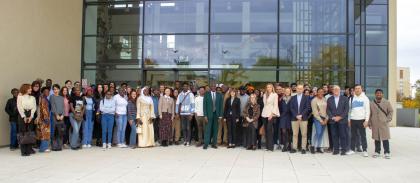
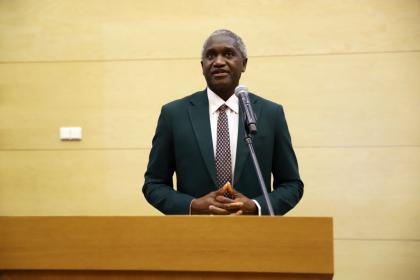
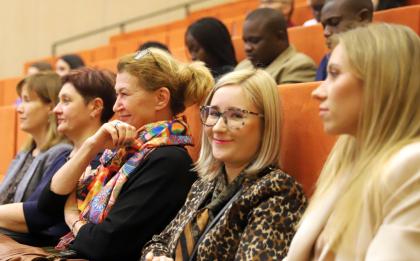
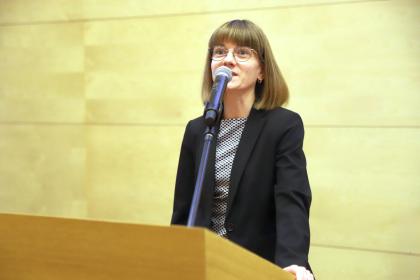
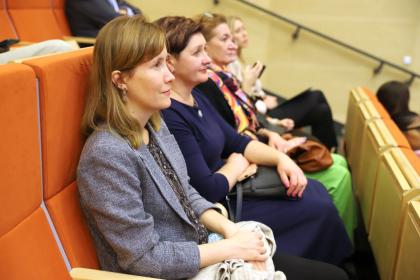
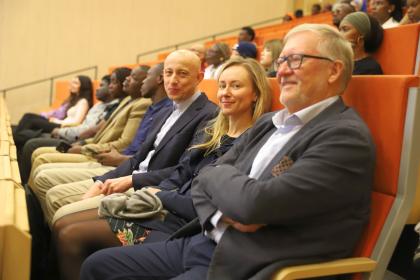
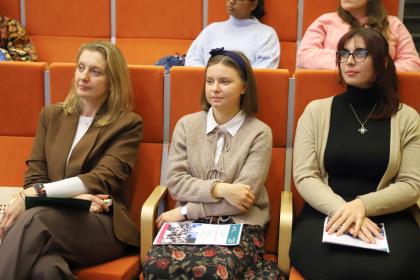
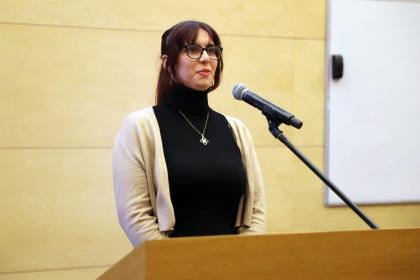
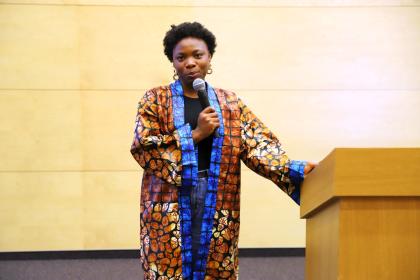
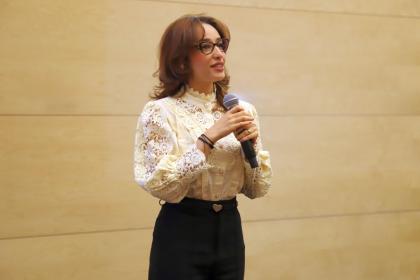
The first item on the agenda on Friday, October 24, was an info and integration session. Over 100 attendees showed up. The event was also streamed online. The programme covered inspiring keynote speeches and self-presentations given by PULS-ISA coordinators. The event began with a welcome statement delivered by Prof. Karolina Pawlak, Vice-Rector for International Relations. That was followed by Prof. Jean Diatta, PULS-ISA leader, who gave a detailed presentation of the structure, organization, and main goals of the association, stressing its importance in the life of the international student community at Poznań University of Life Sciences. Other talks and presentations were given by the representatives of the Student Council, the International Relations Office, the Rector's proxy for Student Scientific Clubs, the manager of student dormitories, and PULS-ISA coordinators, who presented the scope of their activities, initiatives, and opportunities for development and support for foreign students.
Guided city tour
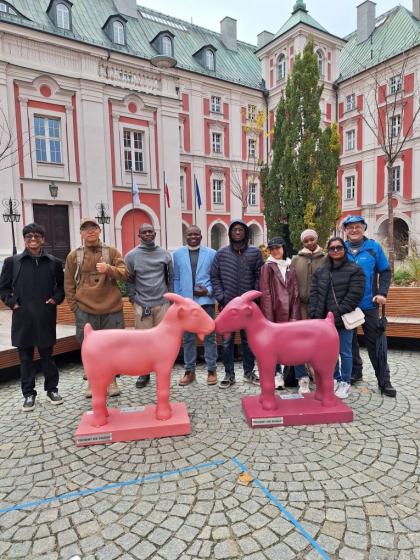
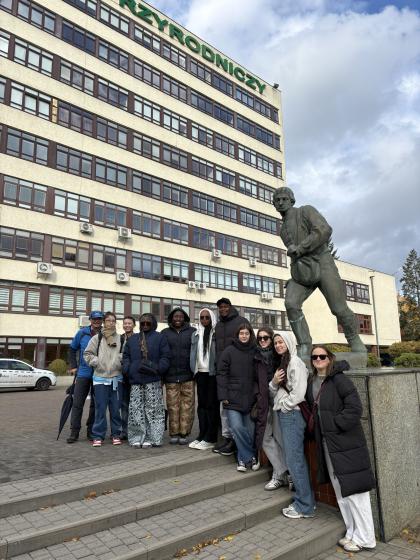
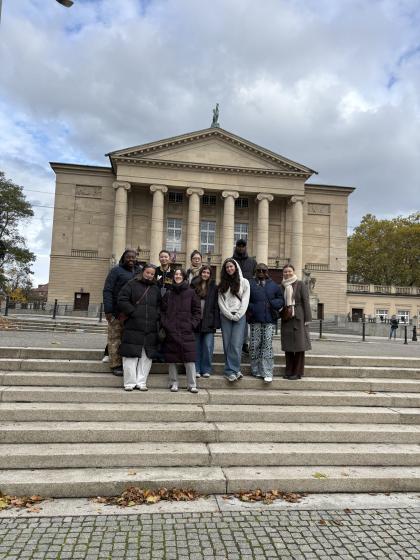
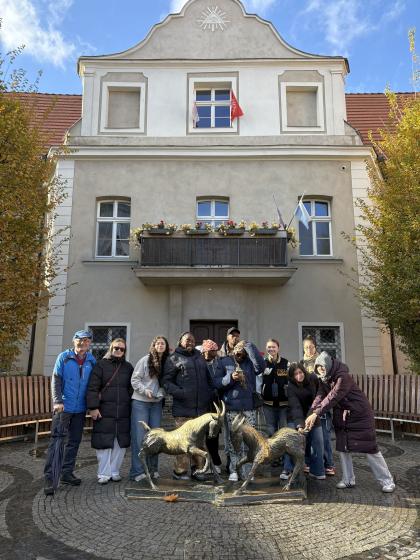
Visiting the capital of Greater Poland was one of the most eagerly awaited attractions of the Welcome and Integration Meeting. The International Relations Office provided a city tour with a licensed guide, Jerzy Laskowski, who introduced students to the history and cultural aspects of Poznań in an enjoyable and impassioned style. The city walk perfectly completed the academic activities of the previous day, allowing foreign students to feel part of the local community and relate better to their new surroundings. Many of them pointed out that the walk was their first opportunity to explore the city that would become their new home for the upcoming months.
Sports integration
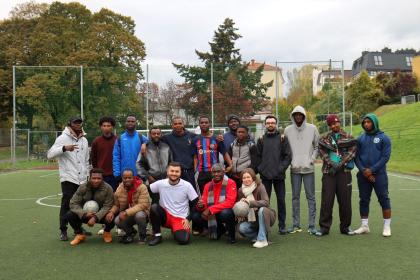
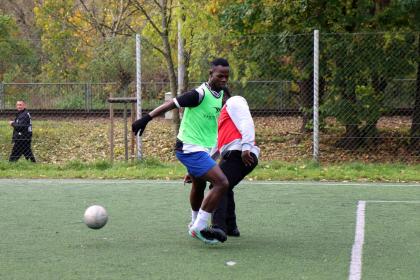
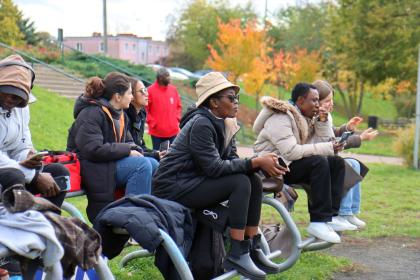
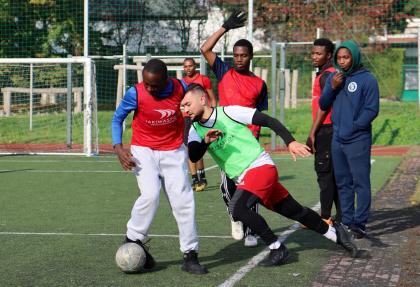
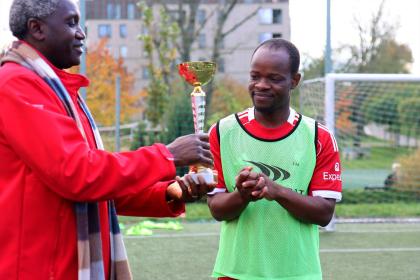
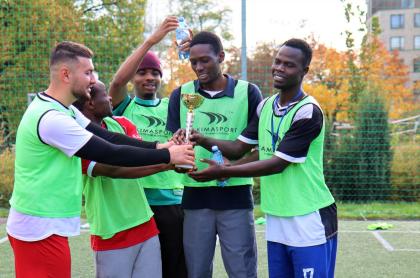
The second day of the event, Saturday, October 25, was dedicated to sports competition. The high point of that day was the PULS Integration Friendly Football Tournament, a friendly soccer match. The best player, Adolfo Onek, won a gold medal, while the winning team got a commemorative cup. The playoffs were held in the spirit of a sports friendly rivalry and good fun, and their idea was not only to score goals, but first and foremost to integrate and cooperate in international teams.
Recap and special shout-outs
The 2-day event was held in an atmosphere of enthusiasm, mutual kindness, and enjoyment. Prof. Karolina Pawlak and Prof. Jean Diatta both pointed out that such initiatives are part of the University's social and educational responsibility, building a solid unity. The successful and positive integration experiences impact directly on students wellbeing, enhances social cohesion and builds stronger, more inclusive, and culturally diverse communities.
The event organizers would like to express their gratitude to all volunteers, coordinators of English-language study programs for their organizational support, to the staff of dean's offices and student dormitories for their presence at the meeting. We would also like to thank the University Authorities for their patronage. “We would like to express our gratitude to the speakers and congratulate all PULS-ISA coordinators for their commitment and work. We are truly pleased with all the students' active participation in this events," recapped Prof. Karolina Pawlak and Prof. Jean Diatta. Welcome and Integration Meeting showed how important the academic community, openness to diversity, and intercultural cooperation are. With initiatives like this, international students are able to settle into their new environment sooner, which makes it easier to navigate their studies and adapt to student life at PULS.